Divine Comedy

The Divine Comedy (Italian: Divina Commedia) is a long Italian narrative poem by Dante Alighieri, begun c. 1308 and completed in 1320, a year before his death in 1321. It is widely considered to be the pre-eminent work in Italian literature and one of the greatest works of world literature. The poem’s imaginative vision of the afterlife is representative of the medieval world-view as it had developed in the Western Church by the 14th century. It helped establish the Tuscan language, in which it is written, as the standardized Italian language. It is divided into three parts: Inferno, Purgatorio, and Paradiso. The narrative takes as its literal subject the state of the soul after…

Book of Job

The Book of Job, or simply Job, is a book found in the Ketuvim (“Writings”) section of the Hebrew Bible and the first of the Poetic Books in the Old Testament of the Christian Bible. The language of the Book of Job, combining post-Babylonian Hebrew and Aramaic influences, indicates it was composed during the Persian period (540-330 BCE), with the poet using Hebrew in a learned, literary manner. It addresses the problem of evil, providing a theodicy through the experiences of the eponymous protagonist. Job is a wealthy and God-fearing man with a comfortable life and a large family. God asks Satan (‘the adversary”) for his opinion of Job’s piety. When Satan states that Job…

Arthur Schopenhauer, the philosopher of pessimism

Arthur Schopenhauer (1788–1860) was a German philosopher. He is best known for his 1818 work The World as Will and Representation (expanded in 1844), which characterizes the phenomenal world as the product of a blind and insatiable noumenal will. Building on the transcendental idealism of Immanuel Kant, Schopenhauer developed an atheistic metaphysical and ethical system that rejected the contemporaneous ideas of German idealism. He was among the first thinkers in Western philosophy to share and affirm significant tenets of Indian philosophy, such as asceticism, denial of the self, and the notion of the world-as-appearance. His work has been described as an exemplary manifestation of philosophical pessimism. Though his work failed to…

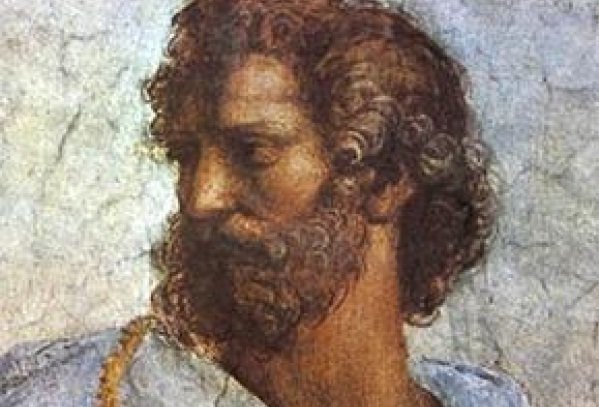
Aristotle

Aristotle (384–322 B.C.E.) numbers among the greatest philosophers of all time. Judged solely in terms of his philosophical influence, only Plato is his peer: Aristotle’s works shaped centuries of philosophy from Late Antiquity through the Renaissance, and even today continue to be studied with keen, non-antiquarian interest. A prodigious researcher and writer, Aristotle left a great body of work, perhaps numbering as many as two-hundred treatises, from which approximately thirty-one survive. His extant writings span a wide range of disciplines, from logic, metaphysics and philosophy of mind, through ethics, political…

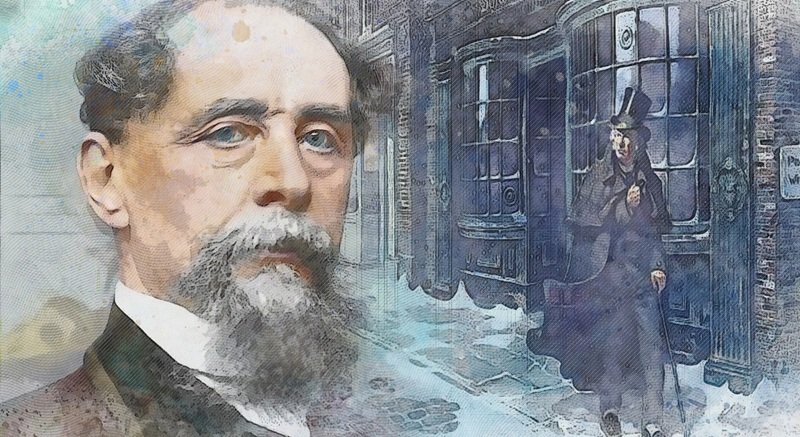
Charles Dickens, British writer and social critic, distinguished figure of world literature

Charles John Huffam Dickens  (1812 –1870) was an English writer and social critic. He created some of the world’s best-known fictional characters and is regarded by many as the greatest novelist of the Victorian era. His works enjoyed unprecedented popularity during his lifetime, and by the 20th century, critics and scholars had recognised him as a literary genius. His novels and short stories are still widely read today. Born in Portsmouth, Dickens left school to work in a factory when his father was incarcerated in a debtors’ prison. Despite his lack of formal…

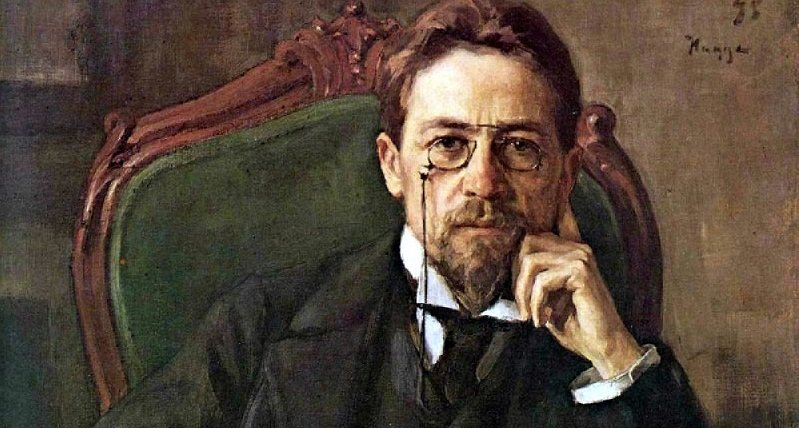
Anton Chekhov, one of the most important short story authors in the history of literature

Anton Pavlovich Chekhov (1860– 1904) was a Russian playwright and short-story writer who is considered to be among the greatest writers of short fiction in history. His career as a playwright produced four classics, and his best short stories are held in high esteem by writers and critics. Along with Henrik Ibsen and August Strindberg, Chekhov is often referred to as one of the three seminal figures in the birth of early modernism in the theatre. Chekhov practiced as a medical doctor throughout most of his literary career: “Medicine is my lawful wife”, he once said, “and literature…

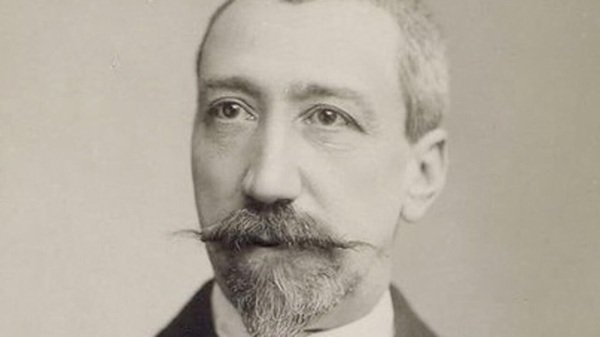
Anatole France, Nobel Prize 1921

Anatole France -François-Anatole Thibault (1844 –1924) was a French poet, journalist, and novelist with several best-sellers. Ironic and skeptical, he was considered in his day the ideal French man of letters. He was a member of the Académie française, and won the 1921 Nobel Prize in Literature “in recognition of his brilliant literary achievements, characterized as they are by a nobility of style, a profound human sympathy, grace, and a true Gallic temperament”. France is also widely believed to be the model for narrator Marcel’s literary idol Bergotte in Marcel Proust‘s In Search of Lost…

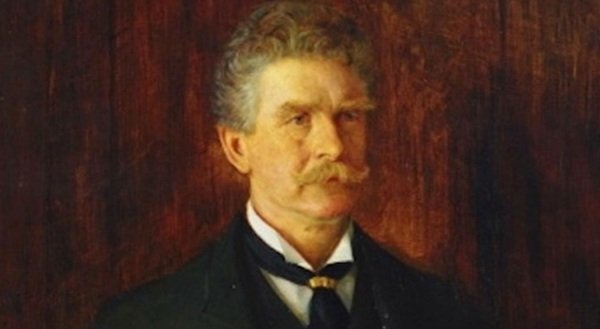
Ambrose Bierce: a pioneer of political irony and terror

Ambrose Gwinnett Bierce (1842–  1914) was an American short story writer, journalist, poet, and Civil War veteran. His book The Devil’s Dictionary was named as one of “The 100 Greatest Masterpieces of American Literature” by the American Revolution Bicentennial Administration. His story “An Occurrence at Owl Creek Bridge” has been described as “one of the most famous and frequently anthologized stories in American literature”; and his book Tales of Soldiers and Civilians (also published as In the Midst of Life) was named by the Grolier Club as one of the 100 most influential American books…

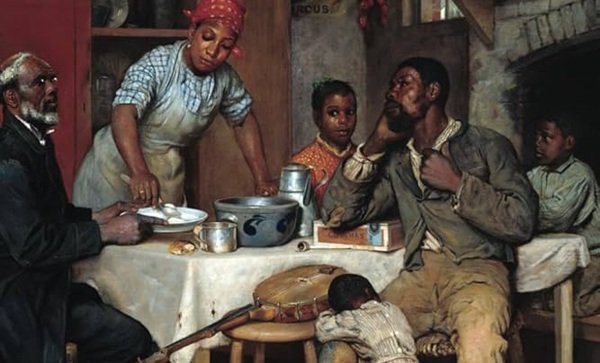
Uncle Tom’s Cabin

Uncle Tom’s Cabin; or, Life Among the Lowly is an anti-slavery novel by American author Harriet Beecher Stowe. Published in two volumes in 1852, the novel had a profound effect on attitudes toward African Americans and slavery in the U.S., and is said to have “helped lay the groundwork for the American Civil War“. Stowe, a Connecticut-born teacher at the Hartford Female Seminary, was part of the religious Beecher family and an active abolitionist. She wrote the sentimental novel to depict the horrors of slavery while also asserting that Christian love could overcome slavery. The novel focuses on the character of Uncle Tom, a long-suffering black slave around whom the…

The Scarlet Letter

The Scarlet Letter: A Romance is a work of historical fiction by American author Nathaniel Hawthorne, published in 1850. Set in the Puritan Massachusetts Bay Colony during the years 1642 to 1649, the novel tells the story of Hester Prynne, who conceives a daughter with a man to whom she is not married and then struggles to create a new life of repentance and dignity. As punishment, she must wear a scarlet letter ‘A’ (for “adultery”). Containing a number of religious and historic allusions, the book explores themes of legalism, sin and guilt. The Scarlet Letter was one of the first mass-produced books in the United States.…