Timeline of women in science

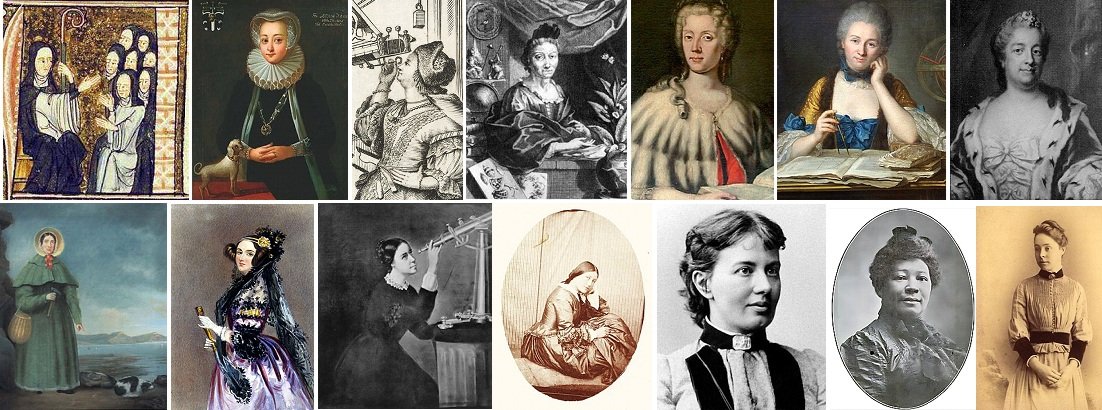
This is a timeline of women in science, spanning from ancient history up to the 21st century. While the timeline primarily focuses on women involved with natural sciences such as astronomy, biology, chemistry and physics, it also includes women from the social sciences (e.g. sociology, psychology) and the formal sciences (e.g. mathematics, computer science), as well as notable science educators and medical scientists. The chronological events listed in the timeline relate to both scientific achievements and gender equality within the sciences. Ancient history 1900 BCE: Aganice, also known as Athyrta, was an Egyptian princess during the Middle Kingdom(about 2000–1700 BCE) working on astronomy…

Hypatia of Alexandria, Mathematician and Philosopher

Hypatia of Alexandria, a renowned mathematician and philosopher, lived during a time of significant cultural and religious upheaval in the late Roman Empire. Born around 370 CE, she became one of the last notable figures associated with the famed Museum of Alexandria, where she advanced her studies in mathematics, astronomy, and philosophy. As a prominent teacher, Hypatia attracted students from diverse backgrounds, including pagans and Christians, and was well-respected in her academic pursuits. Her contributions to mathematics include commentaries on the works of Euclid and Diophantus, aiding the preservation of…

Jane Austen

Jane Austen (1775-1817) was an influential English novelist known for her keen observations of human relationships and social commentary. Born in Steventon, Hampshire, she was the second daughter of a rector and grew up in a family that encouraged intellectual pursuits and creativity. Although she never married, her life was rich with family connections and social interactions, which informed her writing. Austen’s literary career began in her teens, leading to the publication of beloved works such as “Sense and Sensibility” (1811) and “Pride and Prejudice” (1813), both of which have…

Virginia Woolf

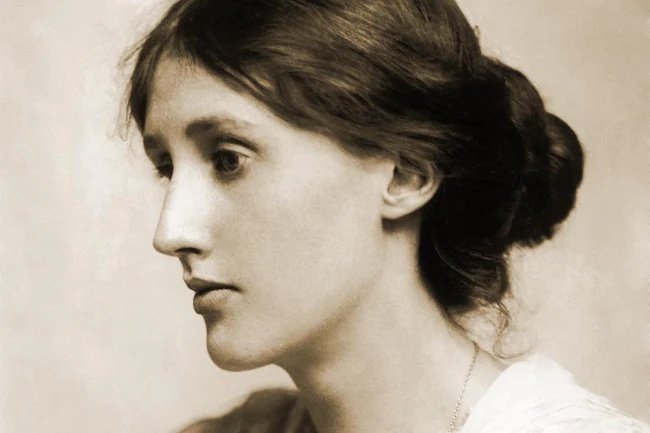
Virginia Woolf (born January 25, 1882, London, England—died March 28, 1941, near Rodmell, Sussex) was an English writer whose novels, through their nonlinear approaches to narrative, exerted a major influence on the genre. While she is best known for her novels, especially Mrs. Dalloway (1925) and To the Lighthouse (1927), Woolf also wrote pioneering essays on artistic theory, literary history, women’s writing, and the politics of power. A fine stylist, she experimented with several forms of biographical writing, composed painterly short fictions, and sent to her friends and family a lifetime of brilliant…

100 women who changed the world

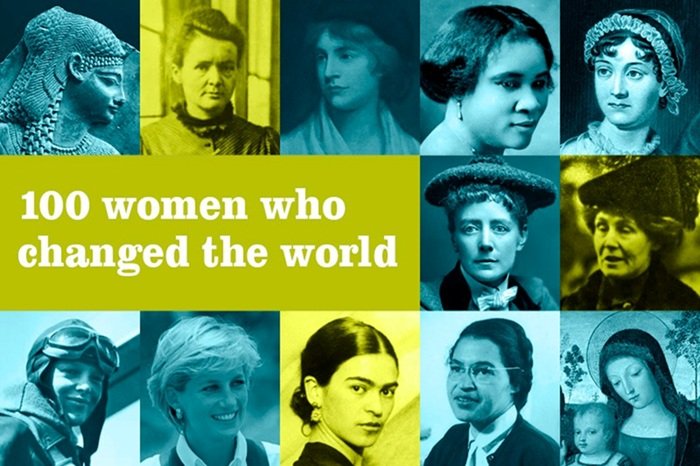
Which women are the most influential in history? Which female figures have had significant impact on past events? Welcome to the results of our BBC History Magazine poll, which features 100 inspirational women from history. In 2018, we asked experts in 10 different fields of human endeavour to nominate 10 women they believe had the biggest impact on world history. We then gave you, our readers, the opportunity to vote for your favourite figures from that list. The results – presented here – may well provoke debate… Marie Curie, 1867–1934 Marie Curie changed the…

6 women in science history

On International Women’s Day, science journalist Angela Saini profiles six tenacious women through history whose advocacy and research rocked the scientific establishment and transformed existing preconceptions about gender and ability Caroline Kennard (1827–1907) American amateur scientist Caroline Kennard was a prominent member of her local women’s movement in Boston, Massachusetts, who pushed to raise the status of women in society. After hearing another woman use naturalist Charles Darwin’s evolutionary theory, laid out in On the Origin of the Species (1859), to support the view that “the inferiority of women: past, present and future…

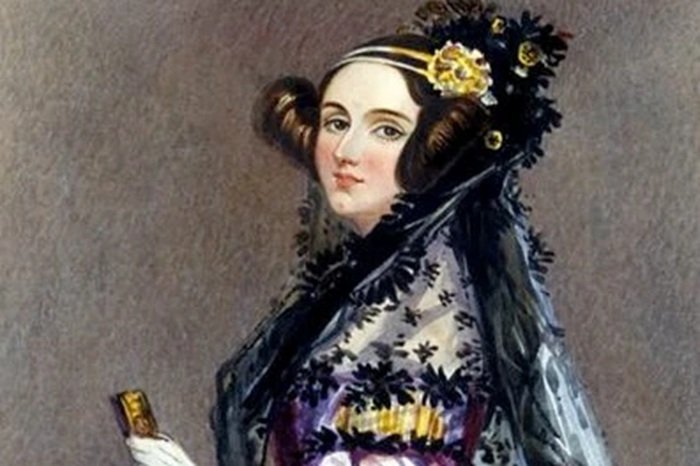
Ada Lovelace a visionary of computing

Ada Lovelace (1815–52) is today regarded as one of the most important figures in the early history of the computer. Here, biographer James Essinger explores her life and legacy… What is Ada Lovelace famous for? Born in the early 19th century, Ada Lovelace had a fascination with science and mathematics that defied the expectations of her class and gender at the time. After being introduced at the age of 17 to inventor Charles Babbage, her work ensured she would become one of the most important figures in the early history…

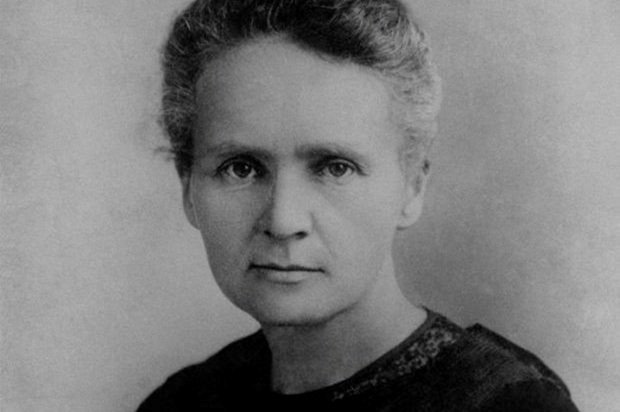
Marie Curie

Marie Curie – a guide to the scientist’s life, achievements and legacy Hailed as a ‘celebrity scientist’ in her lifetime, Marie Curie was the first female to win the Nobel Prize in 1903 – for her pioneering research on radioactivity – and the first person to win a second Nobel Prize Who was Marie Curie and what is she famous for? Marie Curie is a Polish-born physicist and chemist who is remembered for being the first woman to be awarded the Nobel Prize, in 1903 for her research into radioactivity.…