Aristotle

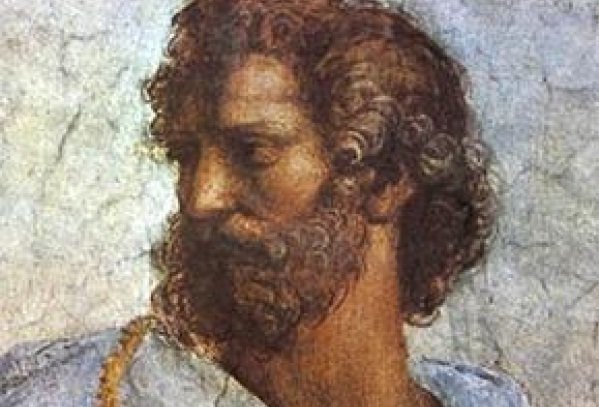
Aristotle (384–322 B.C.E.) numbers among the greatest philosophers of all time. Judged solely in terms of his philosophical influence, only Plato is his peer: Aristotle’s works shaped centuries of philosophy from Late Antiquity through the Renaissance, and even today continue to be studied with keen, non-antiquarian interest. A prodigious researcher and writer, Aristotle left a great body of work, perhaps numbering as many as two-hundred treatises, from which approximately thirty-one survive. His extant writings span a wide range of disciplines, from logic, metaphysics and philosophy of mind, through ethics, political…

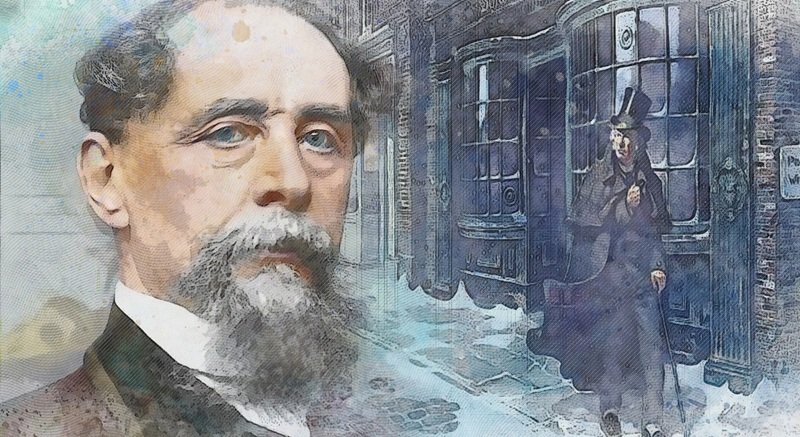
Charles Dickens, British writer and social critic, distinguished figure of world literature

Charles John Huffam Dickens  (1812 –1870) was an English writer and social critic. He created some of the world’s best-known fictional characters and is regarded by many as the greatest novelist of the Victorian era. His works enjoyed unprecedented popularity during his lifetime, and by the 20th century, critics and scholars had recognised him as a literary genius. His novels and short stories are still widely read today. Born in Portsmouth, Dickens left school to work in a factory when his father was incarcerated in a debtors’ prison. Despite his lack of formal…

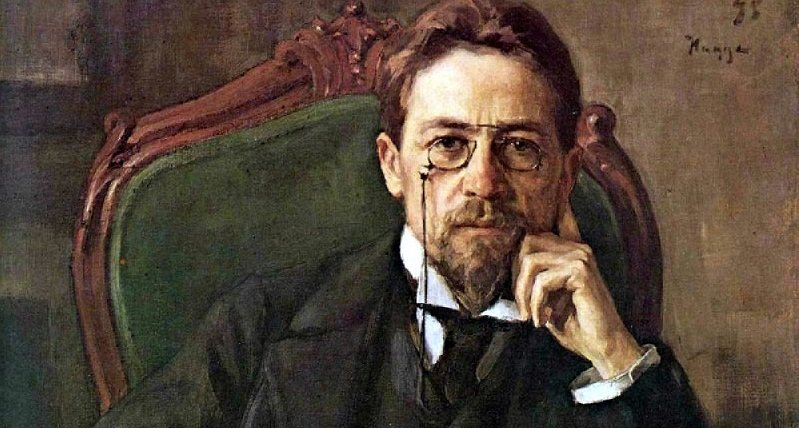
Anton Chekhov, one of the most important short story authors in the history of literature

Anton Pavlovich Chekhov (1860– 1904) was a Russian playwright and short-story writer who is considered to be among the greatest writers of short fiction in history. His career as a playwright produced four classics, and his best short stories are held in high esteem by writers and critics. Along with Henrik Ibsen and August Strindberg, Chekhov is often referred to as one of the three seminal figures in the birth of early modernism in the theatre. Chekhov practiced as a medical doctor throughout most of his literary career: “Medicine is my lawful wife”, he once said, “and literature…

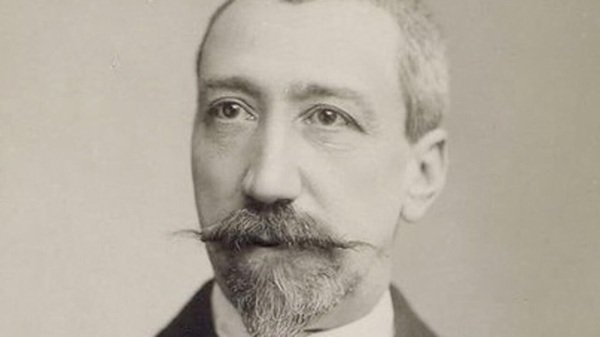
Anatole France, Nobel Prize 1921

Anatole France -François-Anatole Thibault (1844 –1924) was a French poet, journalist, and novelist with several best-sellers. Ironic and skeptical, he was considered in his day the ideal French man of letters. He was a member of the Académie française, and won the 1921 Nobel Prize in Literature “in recognition of his brilliant literary achievements, characterized as they are by a nobility of style, a profound human sympathy, grace, and a true Gallic temperament”. France is also widely believed to be the model for narrator Marcel’s literary idol Bergotte in Marcel Proust‘s In Search of Lost…

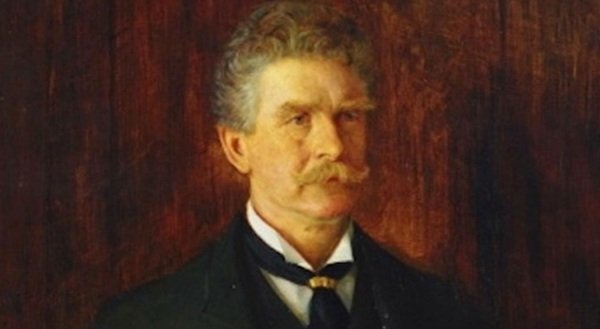
Ambrose Bierce: a pioneer of political irony and terror

Ambrose Gwinnett Bierce (1842–  1914) was an American short story writer, journalist, poet, and Civil War veteran. His book The Devil’s Dictionary was named as one of “The 100 Greatest Masterpieces of American Literature” by the American Revolution Bicentennial Administration. His story “An Occurrence at Owl Creek Bridge” has been described as “one of the most famous and frequently anthologized stories in American literature”; and his book Tales of Soldiers and Civilians (also published as In the Midst of Life) was named by the Grolier Club as one of the 100 most influential American books…

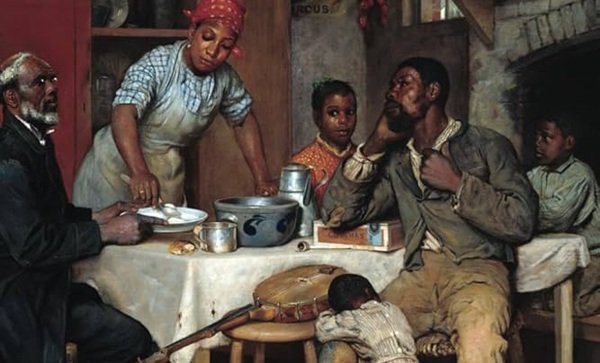
Uncle Tom’s Cabin

Uncle Tom’s Cabin; or, Life Among the Lowly is an anti-slavery novel by American author Harriet Beecher Stowe. Published in two volumes in 1852, the novel had a profound effect on attitudes toward African Americans and slavery in the U.S., and is said to have “helped lay the groundwork for the American Civil War“. Stowe, a Connecticut-born teacher at the Hartford Female Seminary, was part of the religious Beecher family and an active abolitionist. She wrote the sentimental novel to depict the horrors of slavery while also asserting that Christian love could overcome slavery. The novel focuses on the character of Uncle Tom, a long-suffering black slave around whom the…

The Scarlet Letter

The Scarlet Letter: A Romance is a work of historical fiction by American author Nathaniel Hawthorne, published in 1850. Set in the Puritan Massachusetts Bay Colony during the years 1642 to 1649, the novel tells the story of Hester Prynne, who conceives a daughter with a man to whom she is not married and then struggles to create a new life of repentance and dignity. As punishment, she must wear a scarlet letter ‘A’ (for “adultery”). Containing a number of religious and historic allusions, the book explores themes of legalism, sin and guilt. The Scarlet Letter was one of the first mass-produced books in the United States.…

The Red Badge of Courage

The Red Badge of Courage is an 1895 war novel by American author Stephen Crane. The novel was published on 3 October 1895. Taking place during the American Civil War, the story is about a young private of the Union Army, Henry Fleming, who flees from the field of battle. Overcome with shame, he longs for a wound, a “red badge of courage”, to counteract his cowardice. When his regiment once again faces the enemy, Henry acts as flag-bearer, carrying the regimental colors. Although Crane was born after the war, and had not at the time experienced battle first-hand, the…

The Great Gatsby

The Great Gatsby  is a 1925 tragedy novel by American writer F. Scott Fitzgerald. Set in the Jazz Age on Long Island, near New York City, the novel depicts first-person narrator Nick Carraway’s interactions with Jay Gatsby, a mysterious millionaire obsessed with reuniting with his former lover, Daisy Buchanan. The novel was inspired by a youthful romance Fitzgerald had with socialite Ginevra King and the riotous parties he attended on Long Island’s North Shore in 1922. Following a move to the French Riviera, Fitzgerald completed a rough draft of the novel in 1924. He submitted it to editor Maxwell Perkins, who persuaded Fitzgerald to revise the work over the…

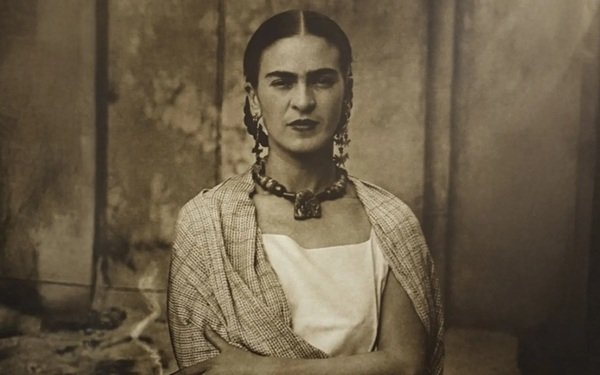
Frida Kahlo, ícono de México

Magdalena Frida Carmen Kahlo y Calderón (Coyoacán, Ciudad de México, 1907-1954), fue una pintora mexicana. Su obra gira temáticamente en torno a las vivencias de su vida personal. Realizó un total de 150 obras, principalmente autorretratos, en los que proyectó sus dificultades por sobrevivir. También es considerada como un icono pop de la cultura de México. Su vida estuvo marcada por un grave accidente de autobús en su juventud que la mantuvo postrada en cama durante largos periodos, llegando a someterse hasta a 32 operaciones quirúrgicas.​ Llevó una vida poco…